


Thinking about losing your UK tax residency? Whether you’re planning to move abroad, work overseas, or simply want to understand how to change your tax status, this can be a tricky process.
You might wonder what steps you need to take, how long it takes, and what pitfalls to avoid. Getting it wrong could mean unexpected tax bills or complications down the line. You’ll discover clear, practical advice on how to lose your UK tax residency the right way.
Keep reading to take control of your tax situation and make confident decisions about your future.

Credit: www.youtube.com
Uk Tax Residency Rules
Understanding the UK tax residency rules is essential for anyone planning to change their tax status. These rules decide if you must pay tax in the UK on your worldwide income. The UK uses clear criteria to determine residency. Knowing these helps you plan your move and manage your taxes properly.
Statutory Residence Test
The Statutory Residence Test (SRT) is the main tool to decide tax residency. It uses facts about your time and ties to the UK. The test has three parts: automatic overseas tests, automatic UK tests, and sufficient ties test. Passing any automatic test defines your residency status.
The SRT looks at your days in the UK and your connections. This includes work, family, and accommodation. The test helps you know if you are a UK resident for tax purposes.
Days Counted In The Uk
Counting days in the UK is key in the residency test. A day counts if you spend any time in the UK that day. The number of days you spend in the UK affects your status. Staying more than 183 days in a tax year usually means you are resident.
Fewer days can still mean residency depending on your UK ties. The test also looks at work days and visits. Keep a clear record of your travel and stays to track residency accurately.
Automatic Residency Conditions
Some conditions make you automatically a UK resident. Spending 183 days or more in the UK in a tax year is one. Another is having a home in the UK where you spend significant time. Working full-time in the UK also counts.
If you meet these conditions, you are resident without further tests. This rule helps simplify residency decisions. Knowing these conditions helps you plan your time outside the UK effectively.
Reasons To Lose Uk Tax Residency
Many people choose to lose their UK tax residency for several important reasons. Changing your tax status can affect how much tax you pay. It can also change what income is taxed and where you pay tax. Understanding these reasons helps you make smart financial decisions.
People who move abroad or spend less time in the UK often consider losing their UK tax residency. This helps them take advantage of different tax rules and reduce their overall tax burden.
Tax Benefits Of Non-residency
Non-residents usually pay tax only on income earned in the UK. Income earned outside the UK is often not taxed by the UK government. This can lower your total tax bill significantly. It also gives you more control over your finances.
Non-residency can lead to fewer reporting requirements. This makes managing your taxes simpler and less stressful.
Impact On Worldwide Income
UK residents pay tax on income from all over the world. Non-residents usually pay tax only on UK income. This means foreign earnings may not be taxed in the UK. It can reduce the risk of paying tax twice on the same money.
This is especially helpful for people with investments or business income abroad. Losing UK tax residency can protect your worldwide income from heavy taxation.
Avoiding Double Taxation
Double taxation happens when two countries tax the same income. Losing UK tax residency can help prevent this problem. Many countries have agreements with the UK to avoid double taxation. These agreements decide which country can tax certain income.
By becoming non-resident, you can use these agreements more effectively. This helps you keep more of your earnings and avoid paying extra tax.
Steps To Change Your Tax Status
Changing your UK tax status requires clear actions. You must follow specific steps to end your UK tax residency. These steps help define your status under UK tax laws. Careful planning is essential to avoid unexpected tax liabilities.
Below are key steps to change your tax residency. Each step focuses on important criteria HMRC considers when deciding your residency status.
Reducing Uk Days
Spend fewer days in the UK. The UK tax year runs from April 6 to April 5. Staying less than 16 days usually means you are not resident. For those with more UK ties, the limit is 46 days or 90 days. Keep a detailed record of your days in the UK. Avoid exceeding these day limits to help lose your UK residency.
Establishing A Home Abroad
Set up a home outside the UK. Your overseas home must be available to you for a long time. Renting or buying a property abroad helps show your intention. Use this home as your main base. Spending significant time in this home supports your non-resident status. Make sure it is genuinely your primary residence.
Breaking Uk Ties
Reduce your connections to the UK. Ending family, work, or social links is important. Stop working in the UK or limit your job there. Avoid owning UK property or renting a place. Close UK bank accounts and cancel memberships. These actions show your commitment to living abroad. HMRC looks at these ties when deciding your residency.

Credit: www.youtube.com
Common Uk Ties Affecting Residency
Understanding common UK ties is crucial to lose UK tax residency. These ties show your connection to the UK. The UK tax authority checks these when deciding your residency status. The stronger your ties, the harder it is to lose residency. Knowing these ties helps plan your move carefully.
Family Connections
Family ties include your spouse, civil partner, and children under 18. If they live in the UK, it counts as a strong tie. Even if you live abroad, close family ties can keep you a UK resident. UK tax rules often see family connections as a reason to stay resident. Reducing family ties can help in losing UK residency.
Accommodation Ownership Or Rental
Owning or renting a home in the UK is a significant tie. If a place is available to you anytime, it counts as a UK tie. The home must be accessible and suitable for living. Having no UK accommodation lowers your residency ties. Closing or renting out UK homes helps in breaking tax residency.
Work And Business Links
Working in the UK creates a strong residency connection. Full-time or part-time UK work counts as a tie. Running a business or being self-employed in the UK also counts. Even short work visits can add to your UK ties. Ending UK work and business ties is key to losing residency.
Planning Your Departure
Planning your departure from the UK is a key step to losing your UK tax residency. This process requires careful preparation to meet the legal conditions. Your actions before and after leaving will affect your tax status. Clear planning helps avoid unexpected tax bills and penalties.
Follow the rules strictly to ensure a smooth transition. Prepare all necessary documents and inform the right authorities. Understanding the timing and procedures can save you stress and money.
Timing Your Exit
Choose the right time to leave the UK. The number of days you spend in the UK affects your residency status. Track your days carefully to meet the Statutory Residence Test rules. Leaving too late or too early can impact your tax obligations. Plan your move around the tax year for best results.
Notifying Hmrc
Tell HMRC about your departure as soon as possible. Use the P85 form to inform them you are leaving the UK. This helps HMRC update your tax records correctly. Notify them even if you plan to return soon. Clear communication avoids confusion about your residency and tax duties.
Documenting Your Move
Keep records of your departure and new residence. Save travel tickets, rental agreements, and utility bills abroad. These documents prove your physical presence outside the UK. They support your claim to non-residency if HMRC questions your status. Good records make tax audits easier and quicker.
Tax Implications After Leaving
Leaving the UK tax residency affects your tax duties. Understanding tax changes is key for smooth transitions. Taxes may still apply after you leave the UK. Knowing what to expect helps avoid unexpected bills. The UK tax system has rules for those who stop being residents. These rules cover income, gains, and inheritance taxes.
Split Year Treatment
The tax year splits if you leave the UK mid-year. Only part of the year counts as UK resident. This means you pay UK tax only for that period. The rest of the year is treated as non-resident. You must meet specific conditions to get this treatment. It reduces your UK tax bill for the year you leave.
Capital Gains Tax Considerations
Leaving the UK changes how capital gains tax (CGT) works for you. As a non-resident, you usually pay CGT only on UK property sales. Gains on assets outside the UK may not be taxed. Your exit date matters for which gains are taxed. Plan sales carefully before and after leaving the UK.
Inheritance Tax Impact
Your inheritance tax (IHT) status can change after leaving the UK. UK domiciled people face tax on worldwide assets. Non-domiciled status may limit IHT to UK assets only. Establishing a new domicile outside the UK affects tax rules. Proper planning can reduce inheritance tax exposure abroad.
Avoiding Common Pitfalls
Avoiding common pitfalls is crucial when trying to lose UK tax residency. Many people make mistakes that cause them to stay tax resident without knowing it. Understanding these pitfalls helps you plan your move clearly. Careful attention to rules and personal actions will make a big difference.
Returning Within Five Years
Returning to the UK within five years can affect your tax residency. The UK tax system may treat you as resident if you come back too soon. The number of days you spend in the UK matters a lot. Even short visits can add up and keep your residency status. Plan your trips carefully and keep track of your days in the UK.
Maintaining Uk Accommodation
Having a home or place to stay in the UK may keep you tax resident. The tax rules look at whether you have a place available for your use. This includes owning or renting a property. Even if you do not live there, having accommodation can count against you. Avoid keeping a UK home if you want to lose residency.
Misinterpreting Residency Rules
Many people misunderstand the UK Statutory Residence Test (SRT). The SRT is the main way to decide if you are a UK tax resident. It uses days spent, ties to the UK, and other factors. Misreading these rules leads to wrong assumptions about residency. Study the SRT carefully or get expert advice to avoid errors.
Expert Tips For Smooth Transition
Transitioning out of UK tax residency requires careful planning and attention. Expert tips help make this process clear and manageable. Following these steps reduces the risk of unexpected tax issues. You gain control over your tax status with confidence.
Consulting Tax Professionals
Tax rules can be complex and change often. A tax professional understands current laws and regulations. They offer advice tailored to your personal situation. Professionals help you avoid common mistakes. Their guidance ensures your residency change is legally sound.
Keeping Detailed Records
Accurate records show where you live and work. Keep documents like travel tickets, accommodation contracts, and employment details. These prove your time spent outside the UK. Detailed records support your claim of non-residency. They protect you if HMRC requests evidence.
Reviewing Residency Annually
Your residency status can change over time. Review your situation every year to stay updated. Check days spent in the UK and ties to the country. Regular reviews help you remain compliant with tax laws. Adjust your plans if your circumstances shift.
Living Abroad And Tax Residency
Living abroad changes many things, including your tax residency. The UK has specific rules to decide if you are a tax resident. Moving abroad can help you lose UK tax residency if done correctly. Understanding key factors like your new country, visas, and tax treaties is important.
Choosing A New Country
Pick a country where you want to live long term. Your choice affects your tax status. Some countries have lower taxes or no tax on foreign income. Consider the cost of living and quality of life. Your intention to stay there matters for tax residency.
Visa And Residency Requirements
Check the visa rules of your new country. Some countries require you to stay a minimum number of days. A valid visa or residency permit shows your commitment to live there. Without proper visas, you might still be seen as UK resident. Keep records of your stays and documents.
Tax Treaties With The Uk
The UK has tax treaties with many countries. These treaties avoid double taxation on the same income. They also help decide which country can tax you. Learn if your new country has a treaty with the UK. Use the treaty to support your non-resident status in the UK.
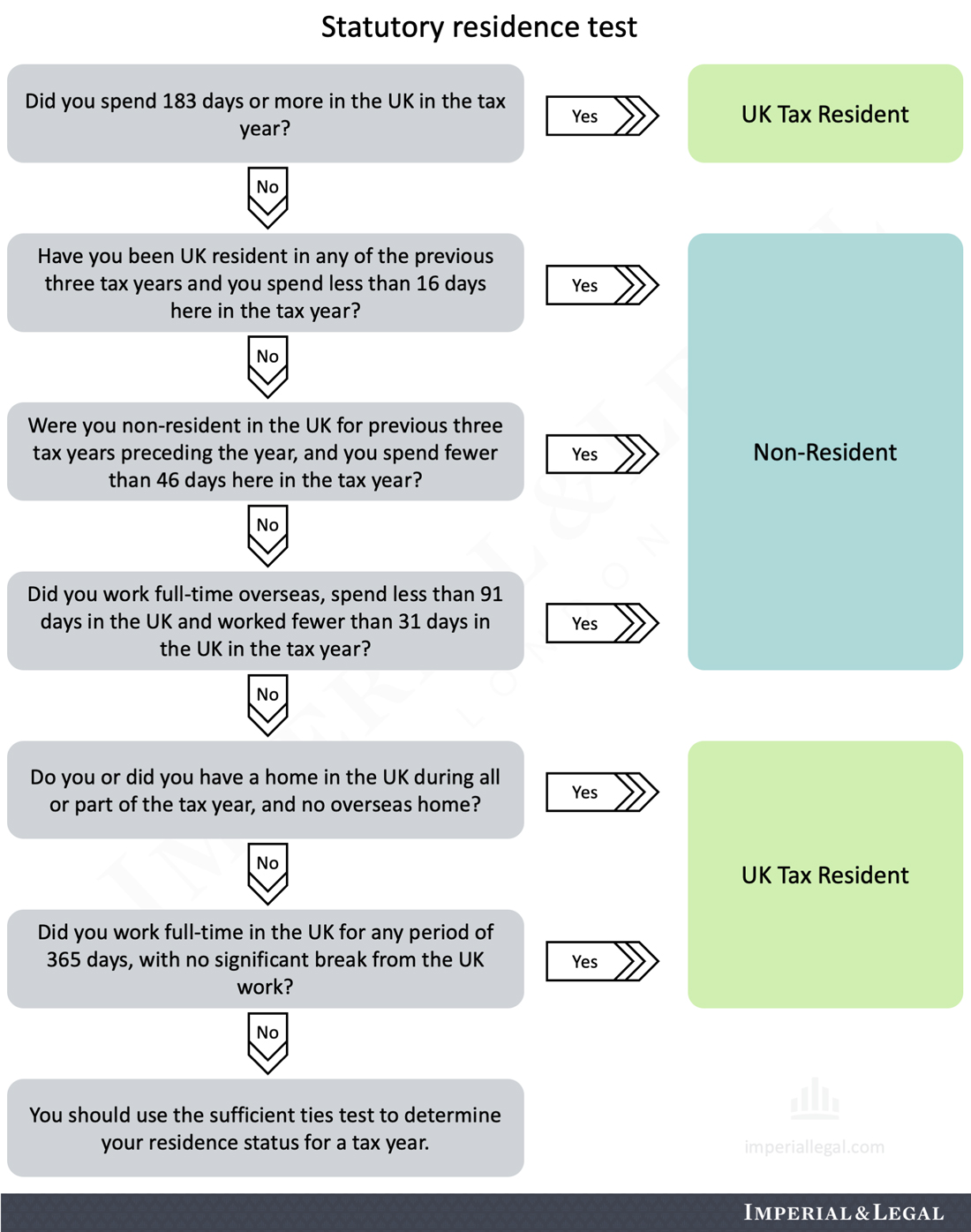
Credit: imperiallegal.com
Frequently Asked Questions
Can I Lose My British Residency If I Live Abroad?
You will not lose British residency simply by living abroad. Residency status depends on your time spent in the UK and tax rules. Check the Statutory Residence Test for details on maintaining or losing UK tax residency.
Am I Still A Uk Tax Resident If I Live Abroad?
Living abroad does not automatically end UK tax residency. The Statutory Residence Test determines your status based on days spent and ties to the UK. You remain a UK tax resident if you exceed certain day limits or maintain strong UK connections.
What Is The 5 Year Rule For Tax Residency In The Uk?
The 5-year rule means returning to the UK within five years after leaving triggers continued UK tax residency. It affects your tax status and liabilities. To avoid this, stay outside the UK for more than five years or meet the Statutory Residence Test criteria.
How To Avoid Uk Domicile?
To avoid UK domicile, establish permanent residence abroad with clear intent to stay indefinitely. Limit UK ties and maintain foreign connections. Actively live outside the UK and avoid frequent returns. Obtain legal advice to confirm domicile status and comply with tax regulations.
Conclusion
Losing UK tax residency requires careful planning and clear actions. Track your days spent in the UK each year precisely. Establish strong ties to another country, showing your intention to stay. Keep detailed records of your moves and lifestyle changes.
Understand the Statutory Residence Test to know your status clearly. Seek professional advice to avoid costly mistakes. Staying organized makes the process smoother and less stressful. Taking these steps helps you manage your tax responsibilities effectively.