

Are you curious about what sets a digital nomad apart from a remote worker? At first glance, they might seem the same both work outside a traditional office.
But knowing the key differences can change how you approach your career and lifestyle. Whether you dream of working from a beach in Bali or simply want the freedom to work from home, understanding these terms will help you make smarter choices.
Keep reading, and you’ll discover what really makes digital nomads and remote workers unique and which path might be right for you.
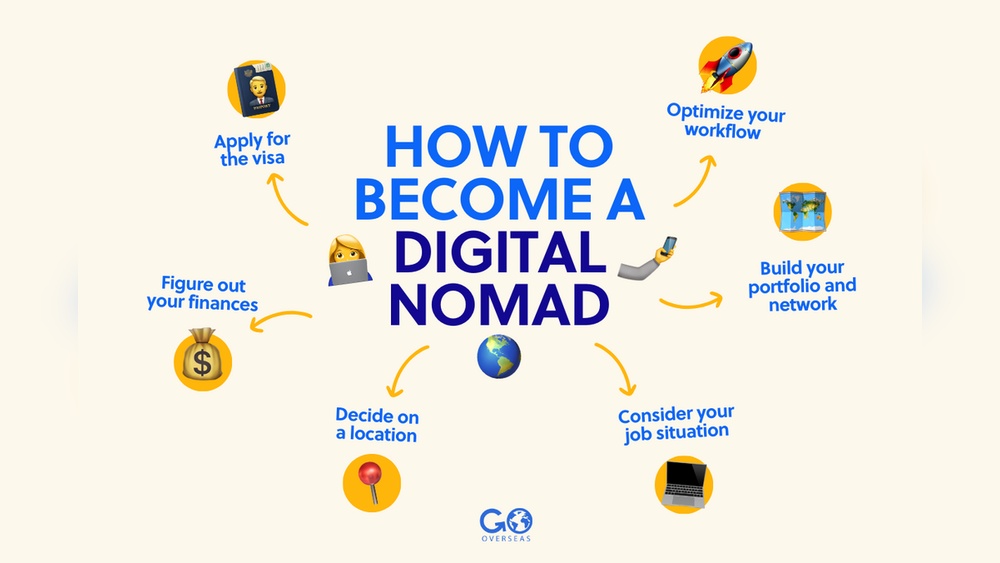
Credit: goglobal.com
Digital Nomad Lifestyle
The digital nomad lifestyle blends work and travel in a unique way. People live and work from different places around the world. This lifestyle offers freedom beyond a regular office job. It means exploring new cities while staying connected to work. Digital nomads often choose this path for adventure and flexibility.
Work While Traveling
Digital nomads work from laptops, cafes, or co-working spaces. They don’t stay in one place for long. This lifestyle lets them see new places without quitting their jobs. Work and travel happen side by side. It requires good time management and reliable internet.
Flexible Locations
Nomads pick locations based on weather, cost, and interest. They can stay in a beach town one month, a mountain village the next. No fixed office means they can move freely. This flexibility helps avoid boredom and enjoy different cultures.
Community And Culture
Digital nomads often join groups or meetups to connect. They share tips, experiences, and sometimes work together. This builds a sense of community on the road. Living in new places also opens doors to local traditions and friendships.
Remote Worker Setup
The setup of a remote worker is quite different from that of a digital nomad. Remote workers usually have a stable and organized environment. This setup helps them focus on their tasks and maintain productivity.
Many remote workers choose a dedicated space in their home. It becomes their main place for work, providing comfort and minimal distractions. This consistency supports their daily work routine.
Home-based Work
Remote workers mainly work from home. Their home is their office. This setup saves time and money on commuting. They create a workspace that fits their needs and work style.
Fixed Work Environment
Remote workers keep a fixed workspace. It may include a desk, chair, computer, and other tools. This environment stays the same every day. It helps build work habits and keeps focus strong.
Regular Work Hours
Remote workers often follow regular work hours. They start and finish work at set times. This routine separates work life from personal life. It also makes teamwork easier, as colleagues know when to connect.
Work Flexibility Comparison
Work flexibility is a key factor that separates digital nomads from remote workers. Both groups work outside traditional office spaces. Yet, their daily routines and freedom levels often differ. Understanding these differences helps clarify what each lifestyle demands.
Let’s explore how their work flexibility compares in schedule, time zones, and work-life balance.
Schedule Variability
Digital nomads usually set their own work hours. They may work early mornings or late nights to fit their travel plans. Remote workers often follow a fixed schedule set by their employer. Their work hours tend to be more consistent day to day. This difference affects how flexible each group can be during the day.
Time Zone Challenges
Digital nomads often cross multiple time zones. They must adjust their work hours to match clients or teams. This can mean working odd hours or splitting work into different parts of the day. Remote workers usually stay in one time zone. They face fewer challenges coordinating with coworkers or meetings.
Work-life Balance
Digital nomads blend work with travel and adventure. This mix can make separating work and personal life hard. Remote workers usually have a fixed home base. It can be easier for them to create clear boundaries between work and free time. Each lifestyle has unique challenges for balance.

Credit: www.fabfrenchinsurance.com
Technology And Tools
Technology and tools shape how digital nomads and remote workers do their jobs. Both rely on digital solutions but use them differently. Understanding these differences helps clarify their work styles.
Communication Platforms
Digital nomads need flexible communication tools. They use apps like Zoom, Slack, and WhatsApp to stay connected from anywhere. Remote workers often use similar platforms but may rely more on company-specific software. Clear, fast communication is key for both groups to collaborate well.
Productivity Software
Remote workers use productivity tools designed for stable work environments. Tools like Microsoft Office, Google Workspace, and project management apps keep tasks organized. Digital nomads prefer cloud-based apps for easy access on the go. They often choose lightweight, mobile-friendly software to suit changing locations.
Connectivity Needs
Digital nomads need strong internet everywhere they travel. They often carry portable Wi-Fi or use coworking spaces. Remote workers usually have reliable home internet and backup plans. Both groups require secure connections to protect work data and maintain productivity.
Career And Job Types
Career and job types vary between digital nomads and remote workers. Both work outside traditional offices. Yet, their work styles and job choices differ. Understanding these differences helps choose the right path.
Industries Suited For Digital Nomads
Digital nomads often work in fields that allow travel. Tech, writing, design, and marketing are popular choices. These jobs need only a laptop and internet. Online teaching and consulting also fit well. Flexibility and mobility are key for these roles.
Roles Common Among Remote Workers
Remote workers hold many roles in various industries. Customer service, software development, and project management are common. Many work in education, healthcare, and finance too. These jobs may require fixed schedules. They usually stay with one company.
Job Stability And Growth
Remote jobs often offer more stability than digital nomad roles. Companies provide benefits and steady pay. Digital nomads may face income ups and downs. Growth depends on self-marketing and skill building. Both paths need ongoing learning for success.
Legal And Financial Considerations
Legal and financial matters are key for digital nomads and remote workers. Both groups work outside traditional office spaces but face different rules. Understanding these rules helps avoid problems and saves money.
Digital nomads often move between countries. This creates special legal and financial challenges. Remote workers usually stay in one country and follow local laws. Knowing the differences keeps work smooth and legal.
Visas And Work Permits
Digital nomads need special visas. These visas allow them to live and work temporarily in a foreign country. Many countries now offer digital nomad visas. These visas often have time limits and specific rules.
Remote workers usually use work permits or stay on regular visas. Their employer often helps with these permits. They do not need special nomad visas because they work from home or office within their country.
Tax Implications
Digital nomads face complex tax rules. They may owe taxes in their home country and where they stay. Tax treaties between countries can affect this. Tracking tax responsibilities is important to avoid fines.
Remote workers generally pay taxes in one country. Their income is taxed based on local laws. Employers often handle tax withholdings. This makes taxes simpler than for nomads.
Health Insurance Options
Health insurance is critical for both groups. Digital nomads need international health insurance. It covers medical care in different countries. Local insurance often does not work abroad.
Remote workers usually have local health insurance. Employers may provide coverage. This insurance works well since they live in one country. Choosing the right plan protects health and finances.
Challenges Faced
Digital nomads and remote workers both face unique challenges. These challenges affect their work and personal lives. Understanding these issues helps in managing them better. Below are some common difficulties they often encounter.
Isolation And Loneliness
Both digital nomads and remote workers can feel isolated. Digital nomads move often, losing regular social contact. Remote workers may stay in one place but miss office interactions. Loneliness can impact mental health and work quality. Finding ways to connect with others is important.
Workspace Setup
Setting up a good workspace is a common challenge. Digital nomads work in different locations, often with limited options. Remote workers may have a home office but face distractions. Both need comfortable and quiet spaces for focus. Poor setups reduce comfort and productivity.
Maintaining Productivity
Staying productive can be difficult without structure. Digital nomads deal with new time zones and environments. Remote workers may struggle with balancing home life and work. Distractions and lack of routine often lower output. Creating schedules and goals helps maintain focus.

Credit: orience.com
Frequently Asked Questions
What Defines A Digital Nomad Lifestyle?
A digital nomad works remotely while traveling frequently. They change locations often and explore new cultures. Their work is location-independent and tech-driven. This lifestyle blends work with adventure and flexibility.
How Is A Remote Worker Different From A Digital Nomad?
A remote worker performs job duties outside a traditional office but usually stays in one location. They prioritize stability over travel. Digital nomads seek constant movement, while remote workers prefer a fixed home base.
Can Digital Nomads And Remote Workers Have The Same Jobs?
Yes, both can do similar jobs like programming, writing, or design. The key difference is where and how they work. Digital nomads move frequently; remote workers maintain a consistent work location.
What Are The Benefits Of Being A Digital Nomad?
Digital nomads enjoy freedom to travel and explore new places. They experience diverse cultures and flexible schedules. This lifestyle boosts creativity, reduces burnout, and enhances work-life balance.
Conclusion
Digital nomads and remote workers both work outside the office. Digital nomads travel often while working from many places. Remote workers usually stay in one fixed location. Both have flexibility, but their lifestyles differ. Choosing depends on your work style and personal goals.
Understanding these differences helps you decide what fits best. Work and life blend differently for each type. Embrace the style that suits your needs and dreams.