

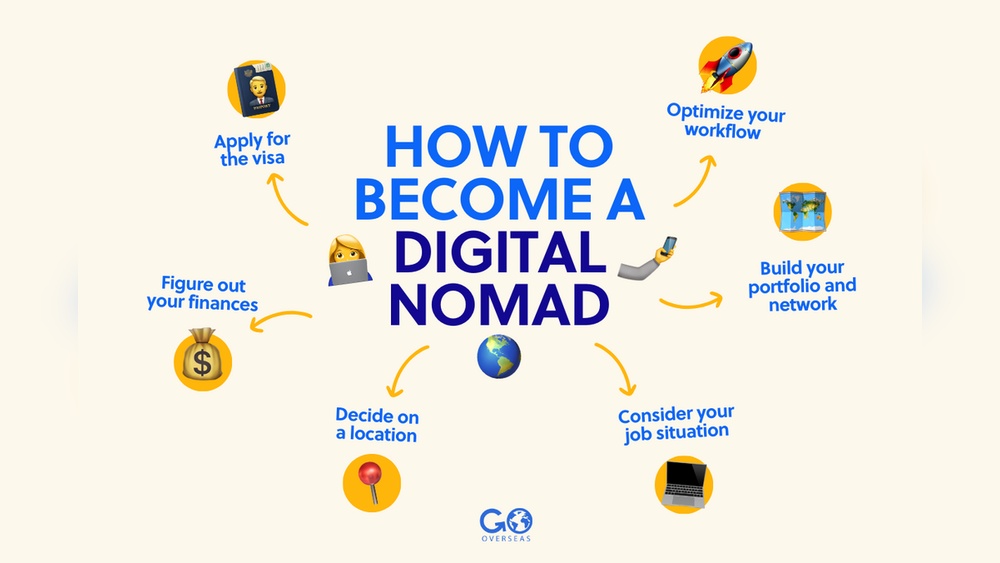
Becoming A Digital Nomad: The Complete Beginner’s Guide
For years, I dreamed about working from a sunny beach, a busy city, or a quiet mountain village. The idea of becoming a digital nomad always felt exciting—but also a bit scary. What if I miss my friends? How do I earn money from anywhere? Is it really possible to travel and work at the same time? If you are like me, planning your first steps into the digital nomad lifestyle, you probably have many questions too.
In this guide, I’ll walk you through everything I have learned while preparing for this journey. You’ll see what you truly need to get started, what to expect, and how to avoid beginner mistakes. I’ll share practical advice, real examples, and tips that most beginners overlook.
If you’re ready to build a life of freedom, adventure, and work that fits your dreams, keep reading.
What Is A Digital Nomad?
Before you start planning, it’s important to understand what digital nomad really means. A digital nomad is someone who earns a living by working online while travelling or living in different places. The work can be anything: writing, programming, design, marketing, teaching, or even running an online shop. The main idea is that your job does not tie you to one place. You can work from a café in Paris, a hostel in Thailand, or your family’s kitchen.
But being a digital nomad is not just about travel. It’s about building a lifestyle that lets you choose where and how you live, every day.
Common Digital Nomad Jobs
Some jobs are more suited to the digital nomad lifestyle than others. Here are a few examples:
- Freelance writing or editing
- Web or app development
- Graphic design
- Online marketing or SEO
- Virtual assistant
- Teaching languages online
- Social media management
- Translating
- Customer support
- E-commerce (dropshipping, print-on-demand)
These jobs usually require only a laptop and an internet connection. Some, like teaching or support, may need you to work at certain hours, while others offer full flexibility.
Is The Digital Nomad Lifestyle Right For You?
Not everyone enjoys or succeeds at being a digital nomad. The lifestyle offers freedom, but it also brings new challenges. Here are some points to consider before you begin:
Benefits
- Flexibility: Work when and where you want.
- Adventure: Explore new cities, cultures, and foods.
- Personal growth: Learn new skills and adapt to changing environments.
- Networking: Meet people from around the world.
Challenges
- Loneliness: Moving often can make it hard to build strong friendships.
- Discipline: You must manage your own work schedule.
- Uncertainty: Income, visas, and internet can be unpredictable.
- Health: New foods, climates, or healthcare systems.
Ask yourself:
- Do you enjoy change and new experiences?
- Can you work without a boss watching you?
- Are you open to learning and problem-solving?
Being honest with yourself now will save you trouble later. Many nomads burn out because they expect a permanent holiday, but it’s still real life—just in new places.
Skills You Need Before You Go
I realised early that becoming a digital nomad is not just about buying a plane ticket. You need some key skills to succeed and stay happy on the road.
1. Remote Work Skills
You must be able to work independently. This includes:
- Time management: Set your own work hours and stick to them.
- Communication: Use email, chat, and video calls effectively.
- Organisation: Keep track of projects, deadlines, and files.
- Basic tech skills: Know how to use online tools, troubleshoot issues, and keep your devices secure.
2. Professional Skills
Your main work skill (writing, coding, teaching, etc. ) Should be strong enough that you can find clients or jobs online. If you are just starting, build a portfolio or do small jobs first to gain experience.
3. Adaptability
Life on the road is full of surprises. You need to handle:
- Different cultures and customs
- Changing time zones
- Unreliable internet
- Travel delays or health issues
Learning to adapt quickly will help you enjoy new places without stress.
4. Financial Management
You must understand your finances:
- How much do you need each month?
- What’s your emergency plan?
- How will you get paid and access your money abroad?
Tracking spending and saving for emergencies is critical.
Two Insights Beginners Miss
- You don’t need to be a travel expert: Many new nomads think they must know everything about travel before they start. In reality, you learn as you go. Planning too much can even add stress.
- Soft skills matter as much as hard skills: Being able to solve problems, communicate, and adapt is just as important as your work skill.
Choosing Your Digital Nomad Career Path
When I started planning, I spent a lot of time thinking about how to earn money online. The truth is, there are many ways to do it—but not every way fits every person. Here’s how you can find your path.
Main Options
| Path | Pros | Cons | Examples |
|---|---|---|---|
| Freelancing | Flexible, wide range of jobs | Income can be unstable | Writing, design, development |
| Remote Employment | Stable income, benefits | May have fixed hours | Remote customer support, project manager |
| Entrepreneurship | Own boss, unlimited growth | High risk, more work | Running an online shop, SaaS |
| Teaching/Coaching | Rewarding, high demand | May need certifications | Online language teacher, fitness coach |
How To Choose
Ask yourself:
- What skills do I have now?
- What do I enjoy doing?
- How much risk can I handle?
If you’re unsure, try different options while still at home. Take a small freelance job, apply for remote roles, or create a sample product. Your first job doesn’t have to be perfect—most nomads change paths as they gain experience.
Building A Portfolio
For almost every online job, a portfolio helps you stand out. Start with simple projects:
- Write articles on Medium or your blog
- Do sample designs for imaginary companies
- Build a small website
- Volunteer for a non-profit
Over time, your portfolio will show real clients what you can do.

Credit: www.amazon.com
Setting Up Your Remote Work Tools
You need more than just a laptop to work from anywhere. The right tools help you stay productive and organised.
Essential Gear
- Laptop: Lightweight, reliable, with long battery life
- Smartphone: For calls, navigation, and backup work
- Chargers and adapters: For different countries’ outlets
- Noise-cancelling headphones: Useful in cafés and airports
- Backup drive or cloud storage: To keep your files safe
Software And Apps
- Project management: Trello, Asana, or Notion
- Time tracking: Toggl or Clockify
- Cloud storage: Google Drive or Dropbox
- Communication: Slack, Zoom, or Skype
- VPN: For safe browsing on public Wi-Fi
- Password manager: LastPass or Bitwarden
Internet Access
Reliable internet is your lifeline. Research SIM cards, portable Wi-Fi, or co-working spaces at your destination. Download offline versions of key documents in case you lose connection.
Data Security
Always back up your data and use secure passwords. Turn on two-factor authentication for important accounts. Avoid using free public Wi-Fi for sensitive work without a VPN.
Planning Your Finances
Many new digital nomads make mistakes with money. Poor planning can end your journey early. Here’s how to set yourself up for success.
Estimate Your Expenses
Costs can vary by country. For example:
- Southeast Asia: £700–£1,200 per month
- Eastern Europe: £900–£1,500 per month
- Western Europe: £1,400–£2,500 per month
Include:
- Accommodation (hostel, Airbnb, hotel, co-living)
- Food and groceries
- Local transport
- Travel insurance
- SIM cards/internet
- Leisure activities
Build An Emergency Fund
Save at least 3–6 months of expenses before you go. This gives you time to adjust, find clients, or return home if needed.
Banking And Payments
Use online-friendly banks like Revolut or Wise for easy international payments and low fees. Get a card with no foreign transaction fees. Always have a backup card in case one is lost or blocked.
Taxes
You may still need to pay taxes in your home country or in the countries you stay in. Research the rules and, if possible, talk to an accountant who knows about remote work. Some countries offer special digital nomad visas with friendly tax rules.
Health And Travel Insurance
Never travel without insurance. Look for plans that cover:
- Medical emergencies
- Lost luggage
- Tech equipment
Some nomad-friendly insurers include SafetyWing and World Nomads.
Deciding Where To Go
Choosing your first destination is exciting—and overwhelming. Where you go shapes your experience, so choose carefully.
Popular Digital Nomad Hubs
Some cities are famous for their nomad communities:
- Bali, Indonesia: Affordable, beautiful, many co-working spaces
- Chiang Mai, Thailand: Low cost, friendly, excellent food
- Lisbon, Portugal: Good weather, strong expat scene
- Budapest, Hungary: Lively, great value, European base
- Mexico City, Mexico: Culture, food, easy visa
How To Choose Your Destination
Consider:
- Cost of living
- Internet speed and reliability
- Visa requirements
- Safety and healthcare
- Climate
- Time zone (for client calls)
If you’re new, start with a city that has many digital nomads. It’s easier to make friends, find advice, and settle in.
Staying Legal: Visas And Permits
Many countries now offer digital nomad visas. These allow you to stay longer than a tourist, often for 6–12 months, and work online. Requirements vary—some need proof of income or health insurance.
Here’s a quick comparison of digital nomad visas in three countries:
| Country | Length | Income Requirement (per month) | Application Fee |
|---|---|---|---|
| Portugal | 1 year (renewable) | €2,800 | €75–€90 |
| Estonia | 1 year | €3,504 | €80–€100 |
| Croatia | 6–12 months | €2,300 | €60–€70 |
Always check the latest rules before you travel.
Packing For Digital Nomad Life
Packing is both art and science. You want to travel light, but be ready for anything.
Essentials
- Laptop + charger
- Smartphone + charger
- Universal adapter
- Power bank
- Travel insurance documents
- Passport + copies
- Comfortable backpack or suitcase
- Minimal clothing: Choose quick-dry, mix-and-match items
- Toiletries
Nice-to-have Extras
- Travel pillow
- Reusable water bottle
- Small first aid kit
- Padlock
- Notebook and pen
Packing Tips Beginners Miss
- Test your bag at home: Pack and carry it around your city for a day. Too heavy? Remove items.
- Digital copies: Save all important documents (passport, insurance, visas) in the cloud and on your devices.
Building A Routine On The Road
The hardest part for many nomads (including me) is creating a balanced routine. Without a normal office or fixed hours, it’s easy to work too much—or too little.
Creating A Work Schedule
Set daily work hours and stick to them. Use tools like Google Calendar or Notion to plan your week. Try the Pomodoro Technique: work 25 minutes, then take a 5-minute break.
Finding The Right Workspace
Options include:
- Cafés: Good for short work sessions. Buy a drink and be polite.
- Co-working spaces: Reliable internet, networking, and events.
- Accommodation: Some hostels and Airbnbs have dedicated desks.
Visit a place first to check the Wi-Fi speed and noise level before committing.
Balancing Work And Travel
Plan time for sightseeing and meeting people. If you move too often, you may get tired or fall behind on work. Many nomads use the “slow travel” approach—staying in one place for a month or more.
Staying Healthy As A Digital Nomad
Health can easily be forgotten when you’re busy exploring new cities. But without good health, you cannot enjoy your journey or do your work.
Eating Well
Try local foods, but watch your diet. Find supermarkets and cook some meals. Apps like HappyCow help you find healthy restaurants.
Staying Active
Walk as much as possible. Many cities have gyms or yoga studios with day passes. Simple bodyweight exercises in your room can keep you fit.
Managing Stress
Travel delays, deadlines, or loneliness can be stressful. Use meditation apps like Headspace or Calm. Stay in touch with family and friends online.
Healthcare Abroad
Know where the nearest hospital or clinic is. Learn basic words for medical help in the local language. Always carry your insurance details and emergency contacts.

Connecting With Other Digital Nomads
Community makes the journey better. It’s easier to find support, advice, and friends if you connect with others.
Where To Meet Other Nomads
- Co-working spaces
- Meetup.com events
- Facebook groups for digital nomads
- Nomad List: Find city rankings and communities
- Local language classes
If you feel shy, remember: most nomads are open and happy to meet new people. Don’t be afraid to say hello.
Giving Back
Share your skills or knowledge. Volunteer to teach, mentor, or help with local events. This is a great way to make deeper connections and contribute to the places you visit.
Handling Homesickness And Loneliness
Even the most adventurous nomads can feel lonely. Moving often means leaving friends behind, and new places can feel overwhelming.
Coping Strategies
- Regular video calls: Schedule chats with family or friends.
- Stay longer: Spend more time in one place to build real connections.
- Join local clubs or classes: Sports, language, or cooking classes can help you meet people.
- Create routines: Morning walks, weekly café visits, or movie nights.
Remember, feeling homesick is normal. Most nomads find that it comes and goes.
Legal, Tax, And Safety Tips
Some of the most confusing parts of digital nomad life are taxes, visas, and staying safe abroad.
Taxes
Every country has its own rules. Some nomads must pay taxes in their home country, others in the country they stay in. Some countries don’t tax income earned abroad. Talk to a specialist if you’re unsure.
Safety
Research your destination before you go. Learn about local scams, safe neighbourhoods, and emergency numbers. Always have backup copies of important documents.
Local Laws
Respect local customs and laws. Something normal in your country may be illegal elsewhere. For example, working on a tourist visa can be risky—always check the rules.
For more in-depth information on digital nomad visas, see the Wikipedia page on this topic.
How To Keep Learning And Growing
The digital nomad journey never really ends. To stay successful, you need to keep learning—both in your job and in life.
Upskill Regularly
Take online courses on platforms like Coursera, Udemy, or Skillshare. Learn new tools or improve your main skill. The more you can offer, the easier it is to find work.
Learn Local Languages
Even basic phrases make life easier and help you connect with locals. Apps like Duolingo or Memrise are helpful.
Reflect And Adjust
Every few months, ask yourself:
- Am I happy with my work and travel balance?
- Do I need to slow down or try new places?
- What new skills or habits should I build?
This helps you avoid burnout and keep enjoying your journey.
Common Mistakes Beginners Make
Learning from others’ mistakes can save you time, money, and stress.
- Not testing remote work before leaving: Try working from home or a café for a month to see if you like it.
- Ignoring time zones: If you have clients or a remote job, check if you can work their hours from your destination.
- No backup plan: Always have savings or a plan if work dries up.
- Overpacking: You will not need as much as you think—travel light.
- Skipping insurance: Medical emergencies abroad are expensive.
- Moving too fast: Changing cities every week sounds fun, but it’s exhausting.
- Underestimating loneliness: Plan for ways to make friends and stay connected.
Frequently Asked Questions
What Is The Best Job For A Beginner Digital Nomad?
There’s no single best job, but many beginners start with freelance writing, teaching English online, or virtual assistant work. These jobs have a low entry barrier and lots of online resources to help you learn.
How Much Money Do I Need To Start As A Digital Nomad?
It depends on your destination, but a common starting point is £2,500–£5,000 in savings. This covers flights, the first month’s expenses, and an emergency fund. Some nomads start with less, but more savings means less stress.
Do I Need A Visa To Work As A Digital Nomad?
Many countries offer special digital nomad visas. Others may let you work online as a tourist, but this is a legal grey area. Always check the rules before you travel and apply for the right visa if needed.
How Do Digital Nomads Pay Taxes?
Tax rules depend on your home country, citizenship, and where you spend your time. Some countries tax you if you’re there more than 183 days. Others only care where your company is registered. It’s best to talk to a tax advisor who understands remote work.
How Do I Make Friends As A Digital Nomad?
Join co-working spaces, local events, Meetup groups, or digital nomad Facebook groups. Many nomads are open to making new friends, so don’t be afraid to reach out. Staying longer in one place also helps build deeper connections.
Becoming a digital nomad is not just a career choice—it’s a journey of personal growth, adventure, and freedom. Start small, plan carefully, and stay open to new experiences. The world is waiting for you. Safe travels!
Credit: www.christhefreelancer.com